
Better Care for Happier Pets
Practical, caring guidance to help dogs and cats live healthier, safer, and more joyful lives.
Featured Pet Guides
Start with these simple, useful guides created for everyday pet owners.

7 Simple Ways to Keep Your Dog Happy Every Day
A practical routine for exercise, nutrition, enrichment, grooming, training, and quality time.
Read the Dog Guide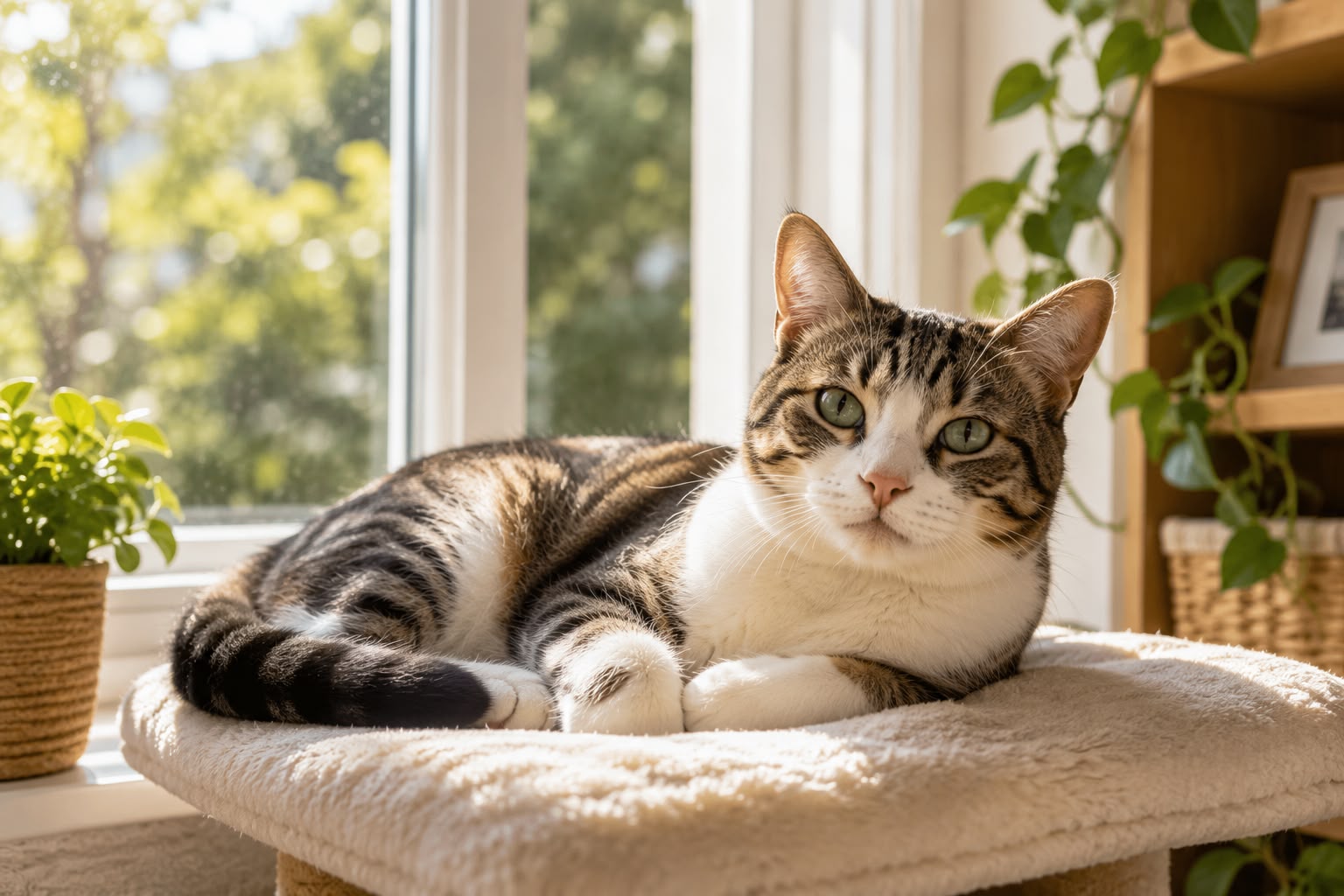
Indoor Cats: 10 Easy Tips for a Longer, Healthier Life
Simple ways to improve nutrition, hydration, safety, activity, comfort, and preventive care.
Read the Cat Guide7 Simple Ways to Keep Your Dog Happy Every Day
Dogs do not need a perfect life to feel happy. What they need most is a dependable routine, physical activity, mental stimulation, good care, and a strong connection with the people they trust. Small daily actions often matter more than expensive accessories or complicated training plans.
The following habits can help you create a healthier and more enjoyable routine for your dog, whether you have an energetic puppy, a calm adult dog, or an older companion who prefers a slower pace.
1. Give Your Dog Daily Physical Activity
Regular movement helps dogs maintain a healthy body weight, supports their joints and muscles, and gives them a safe way to release energy. The right amount of exercise depends on age, size, breed, health, and personality. A young working breed may need more activity than a senior or a small companion dog.
Walks are valuable because they provide both exercise and opportunities to explore. Allowing your dog to sniff during part of the walk can be mentally enriching. Games such as fetch, gentle tug, or supervised play in a safe area can add variety.
2. Feed a Balanced Diet in Appropriate Portions
Good nutrition supports energy, digestion, skin, coat, immunity, and overall health. Choose food that is appropriate for your dog’s life stage and follow reasonable portion guidance. Feeding too much, even of a good-quality food, can contribute to unhealthy weight gain.
Treats can be useful for training and bonding, but they should remain a small part of the daily diet. Avoid giving foods that are unsafe for dogs, and speak with a veterinarian before making major dietary changes or adding supplements.
3. Add Mental Stimulation
A dog can be physically tired and still feel bored. Mental activities give dogs a chance to solve problems, use their senses, and practice natural behaviors. Food puzzles, hide-and-seek games, short training sessions, sniffing activities, and rotating toys are simple options.
You do not need to keep every toy available all the time. Put some away and bring them back later. The change can make familiar toys feel interesting again.
4. Use Positive, Consistent Training
Training is not only about commands. It helps dogs understand what is expected and gives owners a clearer way to communicate. Short, positive sessions are often more effective than long or stressful ones.
Reward behaviors you want to see more often. Use treats, praise, play, or access to something the dog enjoys. Everyone in the home should use similar rules and cues so the dog is not receiving conflicting messages.
5. Maintain Grooming and Basic Hygiene
Grooming needs vary, but most dogs benefit from regular brushing, nail care, ear checks, dental care, and occasional bathing. These routines can prevent discomfort and help you notice changes such as lumps, skin irritation, unusual odor, or sensitive areas.
Introduce grooming calmly and reward cooperation. For dogs that are frightened, difficult to handle, or prone to biting, ask a veterinarian or qualified groomer for guidance.
6. Keep Preventive Veterinary Care Up to Date
Routine veterinary visits can detect problems before they become severe. Vaccinations, parasite prevention, dental checks, weight monitoring, and age-appropriate screening all contribute to long-term wellbeing.
Contact a veterinarian promptly when you notice persistent vomiting, diarrhea, breathing difficulty, sudden weakness, seizures, inability to urinate, severe pain, or a major change in behavior. Online guidance cannot replace an examination when a dog may be ill.
7. Make Time for Calm Connection
Dogs are social animals, but affection does not look the same for every dog. Some enjoy cuddling, while others prefer to rest nearby, play gently, or follow their person around the home. Learn your dog’s body language and respect when they need space.
A few undistracted minutes each day can strengthen your relationship. Sit together, practice an easy skill, take a relaxed walk, or play a favorite game. Consistency creates trust.
A Simple Option for Everyday Enrichment
This space is ready for a toy, puzzle feeder, grooming item, or another product that genuinely supports the advice in this guide.
See Our Recommended OptionDisclosure: This page may contain affiliate links. We may earn a commission at no additional cost to you.
Important: This article is educational and does not replace professional veterinary advice. Individual dogs have different medical, nutritional, and behavioral needs.
Indoor Cats: 10 Easy Tips for a Longer, Healthier Life
Living indoors protects cats from many outdoor hazards, but indoor life still needs thoughtful planning. Cats require exercise, opportunities to climb and scratch, mental stimulation, clean resources, preventive healthcare, and places where they feel secure.
These ten practical steps can help make your home healthier and more interesting for an indoor cat.
1. Choose Complete, Age-Appropriate Nutrition
Use a nutritionally complete food intended for your cat’s life stage. Kittens, adults, and senior cats have different needs. Portion size matters because indoor cats may use less energy than cats with regular outdoor access.
Measure meals rather than repeatedly filling the bowl without tracking intake. Sudden weight loss, weight gain, or a major appetite change should be discussed with a veterinarian.
2. Encourage Better Hydration
Many cats naturally have a low thirst drive. Fresh water should always be available, and some cats drink more when water bowls are placed away from food and litter boxes. Multiple bowls can help in larger homes.
Some cats prefer wide bowls that do not press against their whiskers. A pet fountain may encourage drinking, but it must be cleaned regularly. Wet food may also contribute to water intake when suitable for the cat.
3. Provide Daily Interactive Play
Interactive play lets cats stalk, chase, pounce, and capture. Wand toys and other supervised toys can imitate prey movement. Two or three short sessions may be easier than one long session.
Put string-like toys away after use because loose cords or ribbons may be swallowed. Let the cat catch the toy occasionally so the game feels satisfying rather than frustrating.
4. Create Vertical Space
Cats often feel safer when they can observe the room from above. Cat trees, sturdy shelves, window perches, and secure furniture arrangements can expand the usable territory in a home without requiring more floor space.
Vertical choices are especially helpful in multi-cat households, where cats may want distance from one another.
5. Offer Appropriate Scratching Surfaces
Scratching is a normal behavior that helps cats stretch, maintain their claws, and leave visual and scent signals. Provide stable scratching posts or pads near sleeping areas, entrances, or furniture the cat already targets.
Some cats prefer vertical posts, while others prefer horizontal cardboard or angled scratchers. Experiment with texture and position instead of punishing the behavior.
6. Keep Litter Boxes Clean and Accessible
A clean litter box supports comfort and may reduce elimination problems. Scoop frequently and place boxes in quiet, accessible areas where the cat will not feel trapped.
In multi-cat homes, having more than one box in separate locations is often helpful. A sudden change in litter box habits can indicate stress or a medical problem and deserves attention.
7. Make the Home Safer
Secure windows and balconies, store medicines and chemicals safely, and check plants before bringing them into the home because some are toxic to cats. Keep thread, needles, rubber bands, and small swallowable items out of reach.
Be cautious with reclining furniture, washing machines, dryers, and doors. Cats can hide in quiet spaces without being noticed.
8. Reduce Boredom With Rotation and Foraging
Rotate toys, use food puzzles, hide small portions of food in safe places, or create cardboard-box exploration areas. Novelty does not have to be expensive. Even a paper bag with the handles removed can become an interesting supervised activity.
Watch how your cat responds. Enrichment should invite curiosity, not create fear.
9. Respect Rest and Personal Space
Cats sleep for many hours and benefit from undisturbed resting locations. Provide more than one comfortable option, including a quiet hiding place. Children and visitors should understand that a cat should not be chased, cornered, or forced to interact.
Signs such as flattened ears, a rapidly moving tail, tense posture, growling, or attempts to escape mean the cat needs space.
10. Schedule Preventive Veterinary Care
Indoor cats still need veterinary checkups, vaccinations appropriate to their situation, parasite guidance, dental assessment, and regular weight monitoring. Cats often hide discomfort, so subtle changes can be important.
Seek urgent veterinary help for breathing difficulty, collapse, repeated vomiting, severe injury, inability to urinate, seizures, or sudden extreme weakness. Male cats that strain to urinate without producing urine may have a life-threatening emergency.
An Easy Upgrade for Indoor Enrichment
This area is prepared for a cat fountain, interactive toy, scratching surface, grooming tool, or another carefully selected product.
Explore Our Suggested OptionDisclosure: This page may contain affiliate links. We may earn a commission at no additional cost to you.
Important: This content is general education. A veterinarian should evaluate health concerns and recommend care for your individual cat.