

Build Better Money Habits for the Future
Personal finance does not have to feel overwhelming. A few practical habits can help you understand where your money goes, prepare for unexpected expenses and make more thoughtful decisions about saving and investing.

Create a Monthly Budget That Actually Works
A useful budget is not about restricting every purchase. It is a simple plan that gives each part of your income a purpose. When you can clearly see what comes in, what must go out and what remains, financial decisions become easier to make.
Start with your monthly take-home income and list essential expenses such as housing, utilities, transportation, groceries, insurance and debt payments. Then review flexible spending, including dining out, entertainment, subscriptions and other purchases that can change from month to month.
Give savings a place in your budget
Instead of treating savings as whatever happens to remain at the end of the month, consider including it as a planned category. Even a modest amount saved consistently can create a valuable financial cushion over time.
Keep the system realistic
- Track actual spending rather than relying only on estimates.
- Separate essential expenses from flexible spending.
- Review subscriptions and recurring charges regularly.
- Set achievable savings goals that fit your current income.
- Adjust the budget when your income or priorities change.
A budget should evolve with your life. Reviewing it once a month can reveal where you are overspending, where you have improved and which goals deserve more attention.
Consistency matters more than creating a perfect budget. A simple plan that you actually follow is more useful than a complicated system you abandon after a few weeks.
Explore Our Finance Recommendations
Discover our curated selection of useful resources and tools for budgeting, saving and building stronger everyday money habits.
This page may contain affiliate links. Financial content is provided for general educational purposes and is not individualized financial advice.
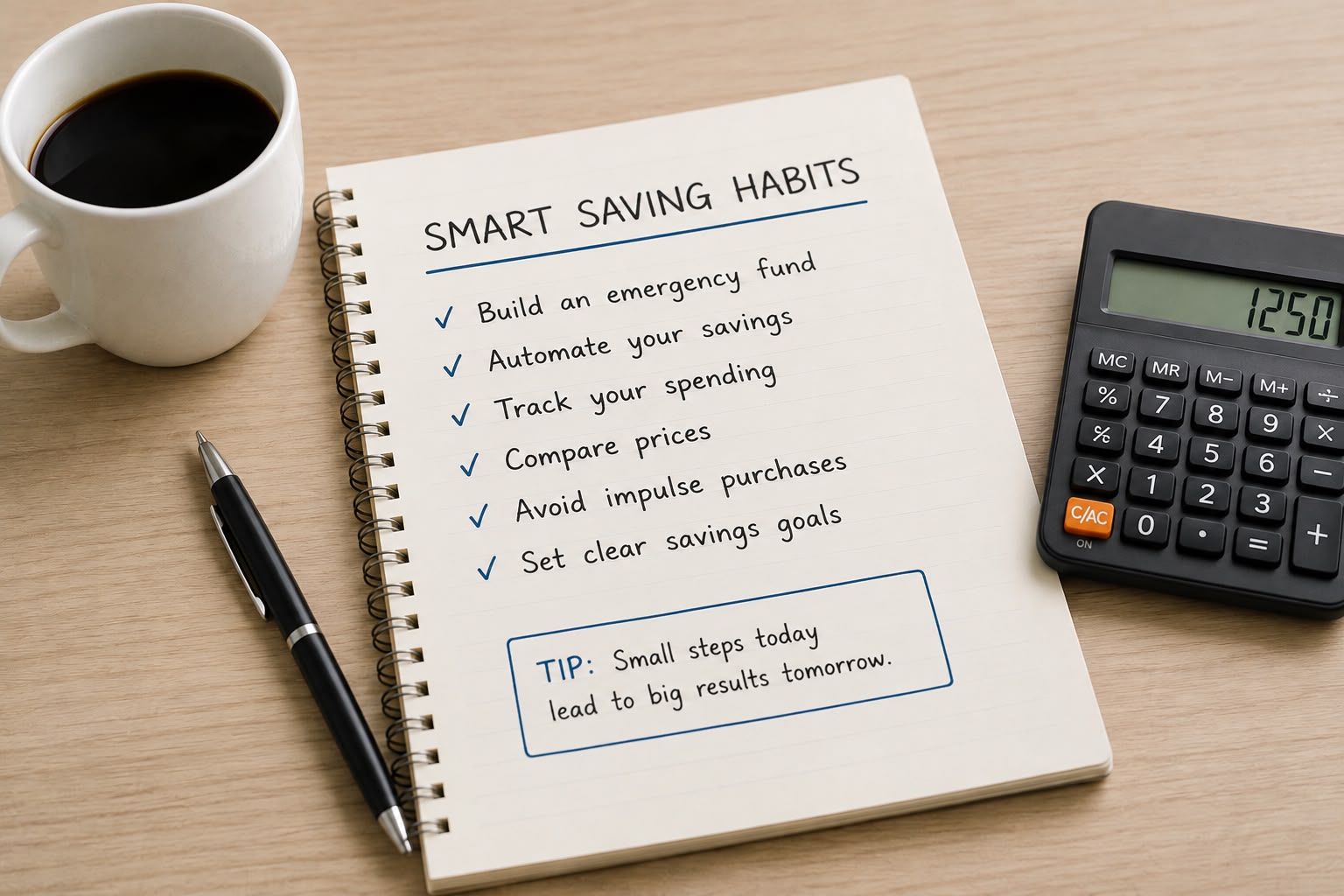
Smart Saving Habits for Everyday Life
Saving money becomes easier when it is treated as a regular habit rather than an occasional challenge. Small decisions repeated month after month can gradually strengthen your financial position without requiring dramatic lifestyle changes.
One practical starting point is an emergency fund. Unexpected car repairs, household expenses or changes in income are much easier to handle when some money has already been set aside. The right target depends on your circumstances, so focus first on building a manageable initial cushion and increase it gradually.
Make saving easier to repeat
Automating a transfer shortly after payday can reduce the temptation to spend money that you intended to save. Keeping savings in a separate account can also make your progress easier to see and help distinguish long-term goals from everyday spending.
Look for sustainable savings
- Compare prices before larger purchases.
- Review recurring services you rarely use.
- Plan purchases instead of relying on impulse decisions.
- Increase your savings gradually when your income rises.
- Give larger goals their own dedicated savings category.
Saving does not mean eliminating everything you enjoy. A sustainable approach leaves room for everyday life while steadily improving your ability to handle future expenses and opportunities.
Start with an amount you can maintain comfortably. Building the habit first can be more effective than setting an aggressive target that is difficult to sustain.

Investing Basics for Beginners
Investing can play a role in long-term financial planning, but it is important to understand the fundamentals before committing money. Investments can rise or fall in value, and higher potential returns generally come with greater uncertainty and risk.
Begin by understanding your goal, your time horizon and how much risk you are comfortable taking. Money that may be needed soon is usually approached differently from money intended for goals many years in the future.
Understand diversification
Diversification means spreading investments rather than depending heavily on a single company, industry or asset. It cannot eliminate the possibility of loss, but it can help reduce the impact that one poorly performing investment has on an overall portfolio.
Think long term
- Learn how an investment works before putting money into it.
- Understand fees, risks and potential tax implications.
- Avoid decisions based only on hype or fear of missing out.
- Be cautious of promises of guaranteed or unusually high returns.
- Review your goals periodically rather than reacting to every market movement.
For beginners, education and patience are valuable. There is no need to understand every financial product at once. Learning the basics, asking questions and making deliberate decisions can create a stronger foundation for long-term investing.
Never invest solely because something is popular. Take time to understand what you are buying, why it fits your goals and what could cause you to lose money.
Investing involves risk, including possible loss of principal. This information is general and educational and should not be considered personalized investment advice.