

Home & Living
Practical ideas and smarter choices for creating a more comfortable, organized and enjoyable home.
Make Everyday Life at Home Feel Easier
A comfortable home is not about having a perfect space or constantly buying new things. Small improvements in organization, cleaning habits, functionality and thoughtful design can make your home easier to maintain and much more enjoyable to live in. SmartGrowth Guides focuses on realistic ideas that can work in everyday homes, with everyday routines and sensible budgets.

Easy Ways to Make Your Home Feel More Organized
An organized home does not require perfectly arranged shelves, expensive storage systems or hours of cleaning every day. In many homes, the biggest improvement comes from creating simple, logical places for the things you already use and reducing the number of decisions required when it is time to put them away.
Clutter usually develops gradually. Keys are placed on a table, paperwork collects on a counter, shoes remain near the entrance, and items without a permanent location begin moving from one room to another. None of these things seems significant on its own, but together they can make a home feel much more chaotic than it actually is.
Start With One Small Area
Trying to organize an entire house at once can quickly become exhausting. A more practical approach is to choose one area that causes frustration every day and finish it completely before moving to another space.
This might be a kitchen drawer that is difficult to open, an entryway filled with shoes, a bathroom counter covered with products, or a table that has become the default location for mail, chargers and miscellaneous objects.
Completing one small area gives you an immediate result and helps you discover which organization methods actually fit your habits. A system that works naturally is much easier to maintain than one that looks beautiful but requires constant effort.
Give Frequently Used Items a Permanent Home
One of the simplest ways to reduce clutter is to decide where commonly used objects belong. When every everyday item has an obvious place, cleaning up becomes faster because you no longer need to decide where to put it.
- Keep keys, wallets and small everyday items together near the entrance.
- Create one location for incoming mail, bills and paperwork.
- Store frequently used kitchen tools close to the areas where you actually use them.
- Keep chargers and electronic accessories together rather than spread throughout several rooms.
- Use a dedicated location for bags, jackets and shoes.
Use Storage to Create Clear Boundaries
Baskets, bins, drawer dividers and containers are useful because they establish physical limits. Instead of allowing one category of items to gradually spread throughout an entire cabinet or drawer, everything associated with that category stays inside one defined space.
The important part is to choose storage according to the items you actually own. Buying containers before deciding what will go inside them often creates additional clutter instead of solving the original problem.
Measure shelves and drawers before purchasing organizers and think about how often you need to access each item. Everyday objects should generally be easier to reach than things used only occasionally.
Reduce Visual Clutter
A room can be technically clean and still feel disorganized when every visible surface is full. Countertops, coffee tables, bedside tables and open shelves benefit from having some empty space.
Consider keeping only items that you genuinely use or enjoy seeing on exposed surfaces. Less frequently used objects can be stored inside cabinets, drawers or attractive baskets. The goal is not minimalism for its own sake; it is creating enough visual breathing room for the space to feel calm.
Organize According to Your Real Routine
Good organization should support the way you already live. If shoes always come off near the entrance, create shoe storage there rather than expecting everyone to carry them somewhere else. If paperwork usually enters through the kitchen, create a small paper-management area nearby.
Systems are easier to maintain when they remove steps instead of adding them. The fewer actions required to put something away, the more likely the system will continue working months later.
Create a Short Daily Reset
Once the main areas have a basic system, a short daily reset can prevent clutter from building again. This does not need to become a major cleaning session. Five or ten focused minutes can make a noticeable difference.
- Return misplaced objects to their designated areas.
- Clear the main kitchen counter.
- Put away shoes, bags and jackets.
- Collect items that belong in another room.
- Prepare frequently used spaces for the following morning.
The best organization system is not necessarily the most beautiful or complicated one. It is the system that you and the people in your home can realistically maintain without having to think about it every day.

Simple Daily Habits for a Clean and Peaceful Home
Keeping a home comfortable is usually much easier when cleaning is treated as a collection of small habits instead of one enormous project saved for the weekend. A few minutes of maintenance throughout the day can prevent small tasks from accumulating into something that feels overwhelming.
The objective is not to keep every room looking perfect at all times. Real homes are used. Meals are prepared, clothes are worn, packages arrive and people become busy. A practical cleaning routine simply makes it easier to bring the home back to a comfortable state.
Begin the Day With a Quick Bedroom Reset
Making the bed is a small task, but it immediately changes the appearance of a bedroom. Opening curtains or blinds and allowing natural light into the room can make the space feel fresher and more welcoming.
If possible, put away clothing and remove cups, bottles or other objects before leaving the room. These few actions often take less than five minutes and prevent the bedroom from becoming increasingly cluttered throughout the week.
Clean While You Cook
Kitchens can become messy very quickly because several tasks happen in the same space. Instead of waiting until the meal is completely finished to begin cleaning, use small periods of free time while food is cooking.
- Return ingredients to the refrigerator or pantry.
- Rinse utensils as soon as they are no longer needed.
- Place dishes directly into the dishwasher when possible.
- Wipe spills before they dry.
- Clear preparation surfaces before sitting down to eat.
By the time the meal is finished, considerably less work remains. This can make the kitchen much easier to reset every evening.
Use the One-Minute Rule
Many household messes come from very small jobs that are repeatedly postponed. If a task takes approximately one minute, consider completing it immediately.
Hanging up a jacket, wiping a small spill, returning a product to a cabinet, throwing away packaging or placing shoes where they belong requires very little effort individually. When dozens of these tasks accumulate, however, the house begins to feel much more difficult to manage.
Keep Frequently Used Cleaning Supplies Convenient
Cleaning becomes easier when the products and tools you need are close to the places where they are normally used. If every small cleanup requires finding supplies in another part of the house, you are more likely to postpone the task.
A simple selection of useful supplies may include:
- Reusable microfiber cloths.
- A surface cleaner suitable for your countertops and furniture.
- A lightweight or handheld vacuum for crumbs and small messes.
- A small bathroom cleaning kit.
- A basket for temporarily collecting misplaced objects.
Focus on High-Traffic Areas
Not every room requires the same amount of daily attention. Kitchens, bathrooms, entryways and living rooms generally receive more use than storage rooms or guest spaces.
Giving a few minutes of regular attention to these high-traffic areas can have a greater effect on how clean the entire home feels. Prioritize what you see and use most frequently before worrying about less important tasks.
Try a Ten-Minute Evening Reset
A short reset before bed can make the following morning noticeably easier. Set a timer for ten minutes and focus only on restoring the main living spaces.
- Clear and wipe the kitchen counter.
- Put dishes away or load the dishwasher.
- Return objects to their normal places.
- Fold blankets and straighten the living area.
- Prepare items you will need the following morning.
Build Routines You Can Maintain
An ambitious cleaning schedule may work for a few days and then disappear. A modest routine that fits your normal life is much more valuable over the long term.
Start with two or three habits that make the greatest difference in your home. Once they become automatic, you can gradually add other tasks if necessary.
Consistency usually matters more than intensity. Ten minutes of regular maintenance can be far easier than spending several hours trying to recover from a week of accumulated clutter.

Budget-Friendly Decor Ideas That Can Transform a Space
Refreshing your home does not necessarily require buying new furniture or completely redesigning a room. Small changes in layout, lighting, textiles, color and decorative details can significantly change how a space looks and feels without requiring a large budget.
Before shopping, it helps to look at the room as a whole and ask what actually feels wrong. Sometimes the problem is not a lack of decoration. The furniture may simply be arranged poorly, the lighting may feel harsh, or too many small objects may be competing for attention.
Rearrange Before You Buy
Moving furniture is one of the few decorating changes that costs nothing. Experiment with different arrangements before deciding that you need something new.
Consider whether pathways are easy to walk through, whether seating encourages conversation and whether the room’s largest pieces are visually balanced. Even moving a chair, changing the angle of a rug or removing one unnecessary piece can improve the room.
Use Textiles to Change the Atmosphere
Cushion covers, throws, curtains and rugs can change the character of a room much more easily than replacing large pieces of furniture. They also provide an inexpensive way to experiment with different colors and textures.
A neutral foundation combined with a few coordinated accent colors is flexible because the smaller decorative items can be changed later without redesigning the entire room.
Improve the Lighting
Lighting has a major influence on whether a room feels comfortable. A single bright ceiling light may technically illuminate the room, but several softer light sources often produce a much warmer atmosphere.
- Place a floor lamp beside a sofa or reading chair.
- Add a small table lamp to a darker corner.
- Consider warmer light temperatures in relaxation areas.
- Use task lighting where you read, cook or work.
- Take advantage of natural light during the daytime.
Bring Natural Elements Into the Room
Plants, wooden objects, woven baskets and natural fabrics can make a room feel warmer and more inviting. You do not need a large collection. One healthy plant, an attractive basket or a simple wooden tray can add texture and visual interest.
Natural materials work particularly well because they often complement many different furniture styles and colors.
Decorate With Objects That Are Also Useful
Some of the most effective decorative pieces can serve a practical function at the same time. Attractive storage baskets, lamps, mirrors, shelves and trays can improve the appearance of a room while solving everyday problems.
This approach is especially useful in smaller homes, where every object occupies valuable space.
Create a Clear Focal Point
Rooms often feel more polished when there is one obvious focal point rather than many objects demanding attention. Depending on the room, this might be a piece of artwork, a sofa, a bookshelf, a window or an attractive lighting fixture.
Once you know the focal point, supporting decorations can remain simpler and quieter.
Avoid Filling Every Empty Space
A common decorating mistake is believing that every wall, shelf and table needs something on it. Empty space is part of good design. It creates visual balance and allows the objects you genuinely like to stand out.
When deciding whether to add something new, consider whether it improves the room, solves a practical problem or genuinely brings you enjoyment.
Upgrade Gradually
A home does not need to be decorated all at once. Taking time to improve one area at a time can help you avoid impulse purchases and make better decisions about furniture and decor.
Waiting also gives you time to compare prices, look for sales and understand which pieces would actually improve your everyday life.
A thoughtfully decorated home is usually created gradually. Buy fewer things that genuinely improve the space rather than filling a room simply because an area appears empty.
Our Best Home & Living Recommendations
Choose a category below to explore useful products selected to help make everyday life at home more comfortable, organized, practical and enjoyable.

Home Appliances
Practical appliances that can make cooking, cleaning and everyday household tasks easier and more efficient.
View Recommendations →
Kitchen Essentials
Helpful cookware, utensils, storage solutions and everyday tools for creating a more practical kitchen.
View Recommendations →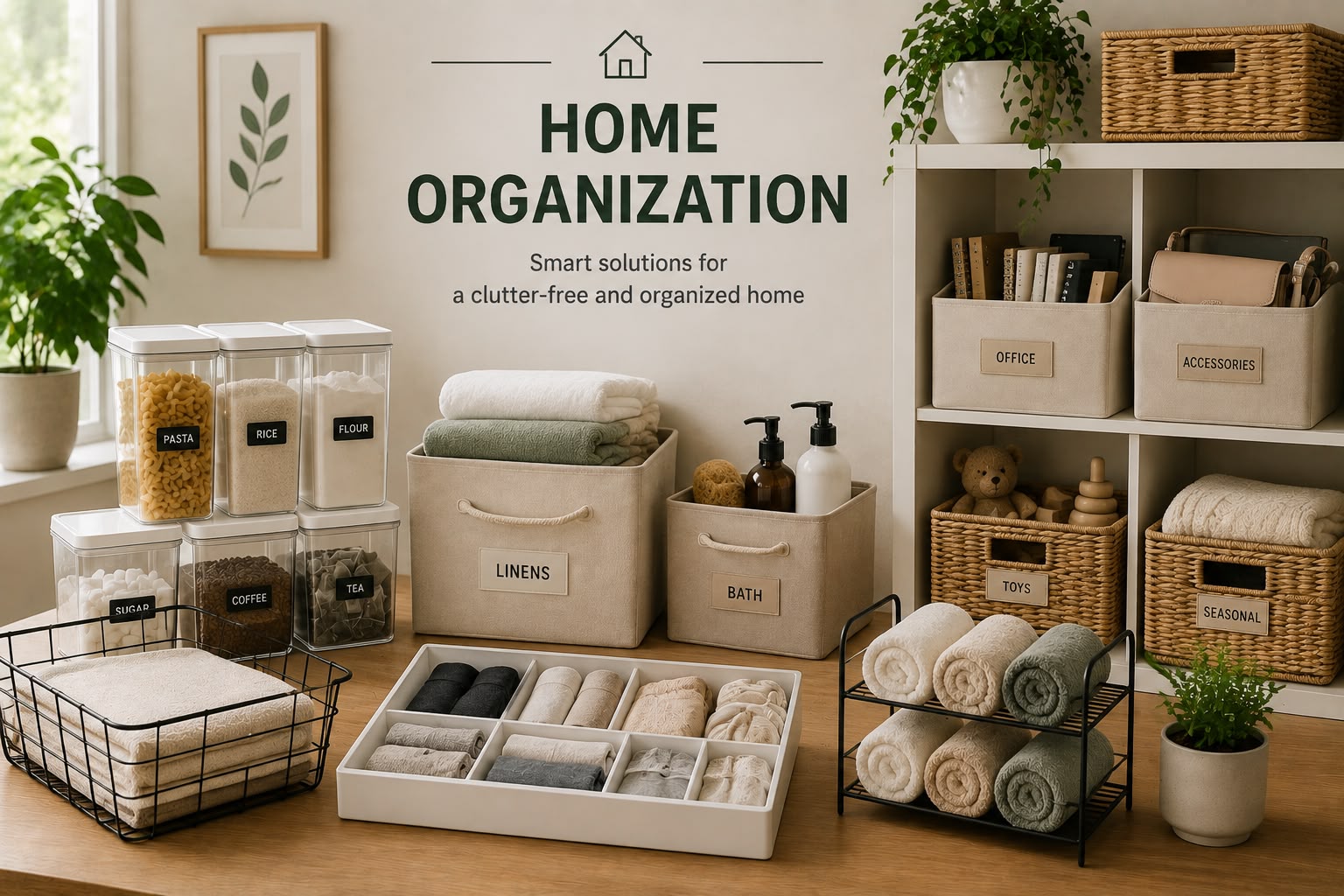
Home Organization
Storage solutions and organizers designed to reduce clutter and make frequently used spaces easier to maintain.
View Recommendations →
Furniture & Decor
Comfortable, functional and attractive pieces for creating spaces that feel more welcoming and personal.
View Recommendations →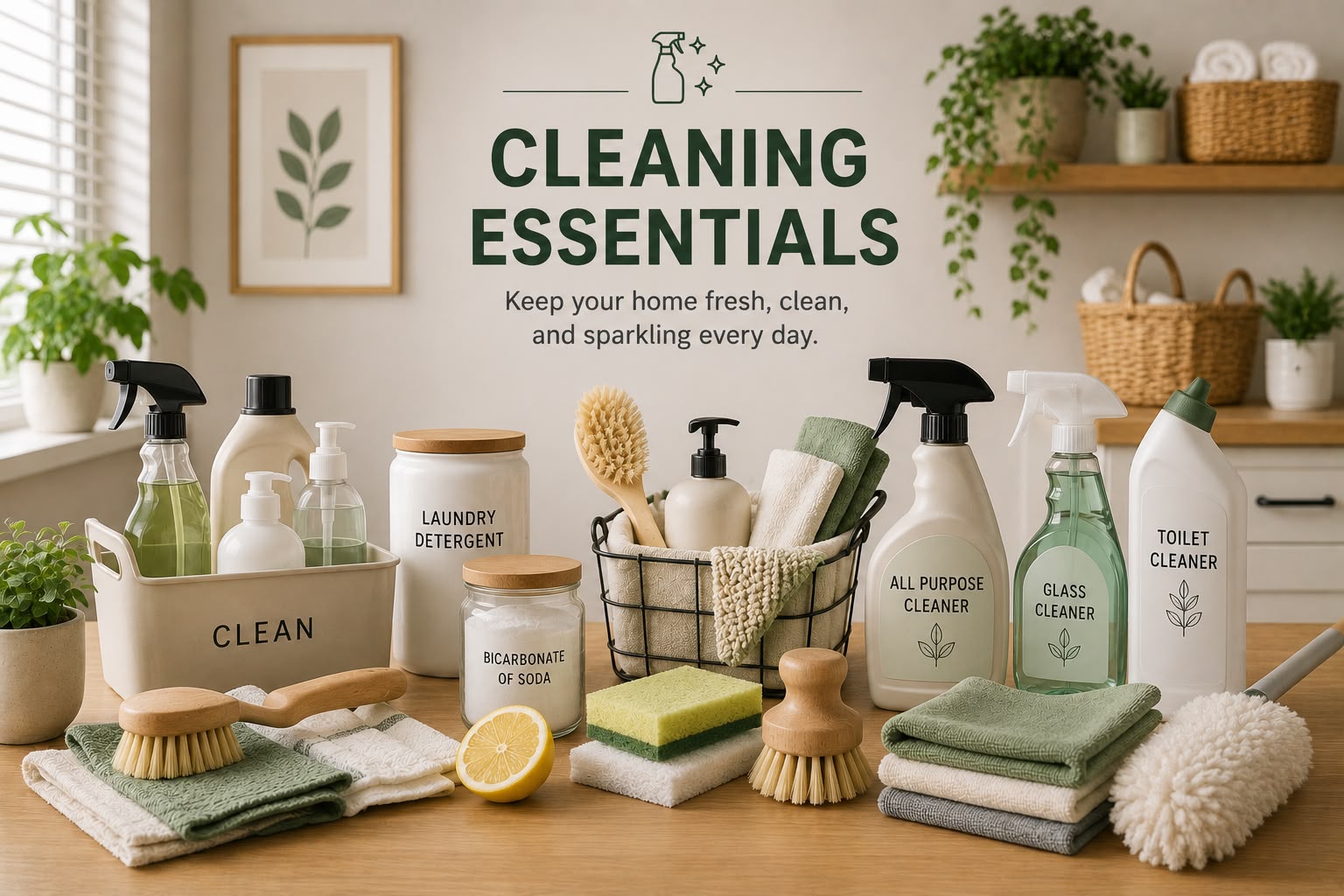
Cleaning Essentials
Useful tools and supplies that can help make regular household cleaning simpler, faster and easier to manage.
View Recommendations →
Smart Home
Connected technology and practical devices designed to make modern everyday living more convenient and efficient.
View Recommendations →